November 3, 2026
A roof is an essential part of any home, protecting against weather conditions, moisture intrusion, and structural damage. While roofing materials play an important role in durability, the quality of installation can significantly influence how well a roof performs over time. Even high-quality materials may experience premature deterioration when they are installed incorrectly. Investing in professional installation helps homeowners avoid preventable problems and maintain a reliable roofing system.
Professional roofing services address more than the visible surface of a roof. Experienced contractors evaluate structural conditions, select appropriate materials, and follow installation practices designed to support long-term performance. Understanding how proper installation prevents future damage can help homeowners make informed decisions about protecting their properties and avoiding unnecessary repair expenses.
Ensuring Proper Roof Deck Preparation
A durable roofing system begins with a properly prepared roof deck. This underlying structure provides the foundation for roofing materials and helps distribute weight across the roof. If the decking contains moisture damage, deterioration, or uneven surfaces, installing new materials without addressing those conditions can create serious problems.
Professional contractors examine the roof deck before installation to identify areas requiring attention. Damaged wood, weakened sections, and structural irregularities can compromise the stability of the finished roofing system. Addressing these concerns during installation helps prevent shifting materials, uneven surfaces, and premature wear.
Preventing Water Intrusion Through Proper Installation
Water intrusion is among the most damaging problems homeowners can experience with their roofs. Moisture entering through vulnerable areas can affect insulation, ceilings, walls, and structural components. Over time, persistent leaks may contribute to mold growth, wood deterioration, and expensive interior repairs.
Professional roofing services help minimize these risks through careful installation of protective materials and moisture barriers. Contractors pay particular attention to areas where water commonly accumulates or penetrates, including roof valleys, penetrations, and transitions between roofing surfaces.
Proper installation also involves creating effective pathways for water to move away from vulnerable areas. When roofing components overlap correctly and protective barriers remain intact, rainwater is less likely to reach the underlying structure.
Improving Roof Ventilation and Airflow
Roof ventilation plays an important role in maintaining suitable conditions within the attic and roofing system. Without adequate airflow, heat and moisture can accumulate beneath the roof, potentially affecting insulation, decking, and roofing materials.
Professional contractors consider ventilation requirements when planning an installation. They evaluate how air enters and exits the attic and whether the ventilation system supports balanced airflow. Proper ventilation can help reduce excessive heat buildup and limit moisture accumulation.
Poor ventilation may contribute to condensation, wood deterioration, and premature aging of roofing materials. In colder climates, uneven roof temperatures can also contribute to conditions associated with ice dam formation.
Securing Roofing Materials Against Weather Damage
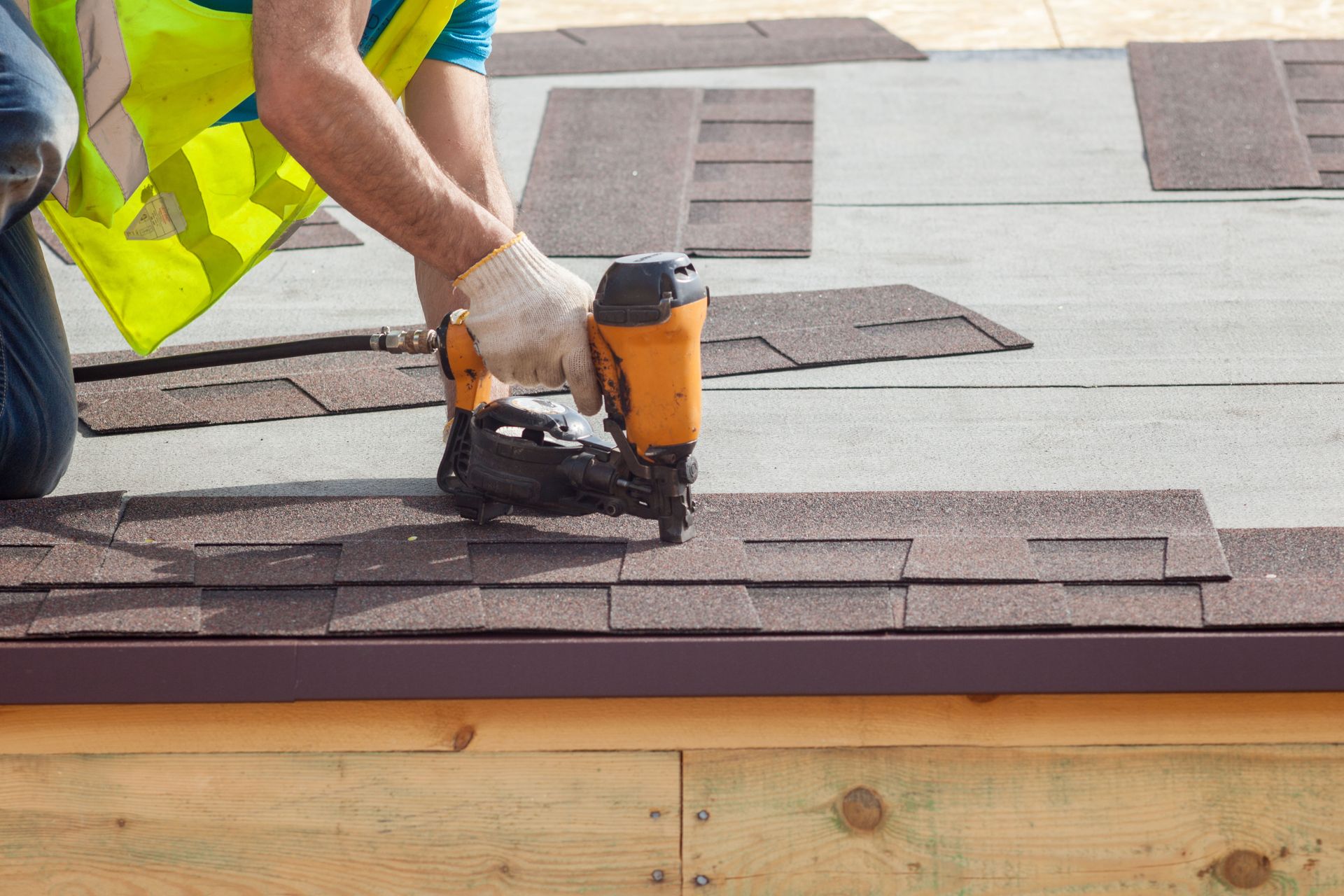
Roofing materials must remain securely attached to withstand wind, rain, and seasonal temperature changes. Improper fastening techniques can leave shingles or other roofing components vulnerable to lifting, shifting, or detachment during severe weather.
Professional installers follow manufacturer specifications and applicable building requirements when securing roofing materials. Correct fastening placement, appropriate attachment methods, and consistent installation practices contribute to a more dependable finished roof.
Material alignment is equally important. Improperly positioned shingles can expose vulnerable sections of the roof and interfere with water drainage. Even minor installation inconsistencies may become more noticeable as materials expand, contract, and experience repeated weather exposure.
Experienced contractors understand how different roofing materials respond to environmental conditions. Their knowledge helps ensure the selected system is installed according to its intended design, reducing the potential for avoidable repairs following storms or prolonged exposure.
Protecting Vulnerable Roof Areas With Proper Flashing
Flashing protects areas where roofing surfaces meet walls, chimneys, skylights, vents, and other structural features. These transitions often require additional protection because they interrupt the continuous surface of the roof.
When flashing is improperly installed, water can enter through gaps or poorly sealed connections. These leaks may remain unnoticed until moisture damage becomes visible inside the home. By that point, repairs may involve more than replacing the affected roofing materials.
Professional roofing services include careful attention to flashing placement, compatibility, and integration with surrounding components. Contractors use installation methods intended to direct water away from openings and prevent moisture from reaching vulnerable areas.
Flashing must also accommodate normal movement caused by temperature changes and building conditions. Appropriate materials and installation techniques help maintain protective connections over time.
Addressing these details during the original installation can reduce recurring leaks and help homeowners avoid repeated repairs around roof penetrations and structural transitions.
Selecting Roofing Materials for Long-Term Performance
Choosing suitable roofing materials involves more than appearance. Climate, roof slope, architectural design, and maintenance expectations can influence which products are appropriate for a particular property.
Professional contractors help homeowners understand the characteristics of available roofing systems. Asphalt shingles, metal roofing, and other materials offer different advantages regarding durability, weather resistance, and maintenance requirements.
Material compatibility is especially important. Underlayment, flashing, fasteners, and surface materials must work together as a complete system. Combining incompatible components can create installation challenges and potentially compromise performance.
Professional roofing services also help homeowners consider whether repairing an aging roof remains practical. According to Today’s Homeowner, roofs older than 20 years often need recurring repairs, which can make replacement a more reasonable long-term investment.
Selecting appropriate materials and installing them correctly can help homeowners reduce unnecessary maintenance while improving the overall reliability of their roofing systems.
Maintaining Proper Drainage and Roof Alignment
Effective drainage prevents water from remaining on roofing surfaces longer than necessary. Although roof design influences how water moves, installation quality also affects whether moisture flows toward designated drainage areas.
Professional installers evaluate roof slopes, material placement, and transitions that could interfere with drainage. Improper alignment may create areas where water collects or moves beneath roofing components rather than away from the structure.
Standing water is particularly concerning on low-slope roofing systems, where drainage requirements differ from those of steeply pitched roofs. Prolonged moisture exposure can place additional stress on roofing materials and increase the potential for deterioration.
Gutters and drainage connections also contribute to overall roof performance. When water is directed away from vulnerable areas, the risk of moisture-related damage to surrounding building components may decrease.
Experienced roofing services consider these interconnected factors during installation. Proper drainage planning supports consistent performance and helps prevent conditions that could eventually require extensive corrective work.
Supporting Long-Term Roof Performance Through Quality Workmanship
Even carefully selected materials cannot compensate for poor workmanship. Installation errors may affect the roof’s appearance, structural reliability, weather resistance, and expected service life.
Professional contractors bring technical knowledge and practical experience to roofing projects. They understand how roofing components interact and why consistent installation practices matter throughout the entire system.
Quality workmanship also involves recognizing potential problems before they become expensive complications. Existing structural damage, inadequate ventilation, and unsuitable materials can affect installation outcomes when these conditions are overlooked.
Homeowners also benefit from clear communication regarding project expectations, material choices, and maintenance considerations. Understanding the roofing system makes it easier to recognize future concerns and arrange appropriate professional inspections.
Choosing qualified roofing services can provide greater confidence that the installation meets applicable requirements and manufacturer recommendations. This attention to detail helps reduce preventable failures and supports the roof’s ability to protect the property over time.
Protecting Your Home With Professional Roofing Installation
Professional roof installation is an investment in the long-term condition of a home. Proper preparation, moisture protection, ventilation, fastening, flashing, material selection, and drainage all contribute to a roofing system designed for dependable performance.
When these elements are addressed during installation, homeowners can reduce the likelihood of recurring leaks, premature material deterioration, and unexpected structural repairs. Although every roof requires ongoing attention, quality installation provides a foundation for more manageable maintenance and improved durability.
Working with experienced professionals helps ensure roofing decisions reflect the property’s specific needs rather than focusing exclusively on immediate installation costs.
At KSB Construction and Roofing, we understand the importance of protecting your home with a properly installed roofing system. Our team can help you explore roofing options that align with your property’s condition, structural requirements, and long-term goals. Whether you are planning a roof replacement or evaluating concerns with an existing system, we are here to discuss your needs. Contact us today to learn more about our roofing services and schedule a consultation.